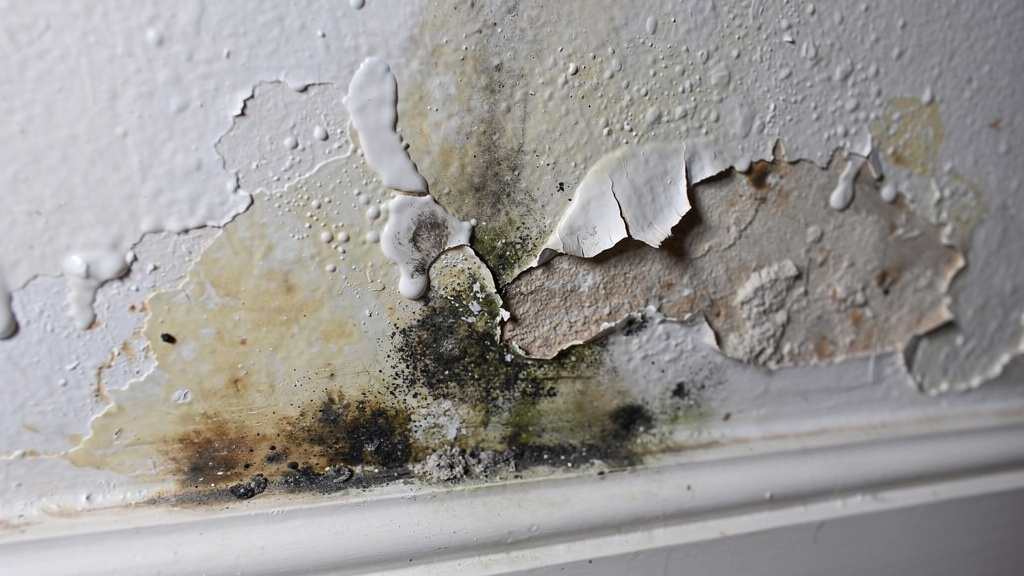
Damp is one of the most common and potentially serious defects affecting properties in London and North London. Whether you're buying a Victorian terraced house in Islington, a converted flat in Camden, or a semi-detached home in Barnet, understanding how to identify different types of damp and implement effective treatment solutions is essential for maintaining a healthy, structurally sound property.
As building surveyors conducting hundreds of property inspections across North London each year, we regularly encounter damp problems ranging from minor condensation issues to severe rising damp requiring extensive remediation. In this comprehensive guide, we'll explain the three main types of damp, how to identify each one accurately, their underlying causes, and the most effective treatment solutions based on decades of surveying experience.
The Three Types of Damp: Understanding the Differences
Many property buyers and homeowners use the term "damp" generically, but accurate diagnosis is crucial because each type of damp has different causes and requires different treatment approaches. The three main categories are:
1. Rising Damp
Rising damp occurs when ground moisture moves upward through porous building materials via capillary action. This typically affects ground floor walls and happens when a property's damp-proof course (DPC) is absent, defective, or has been bridged.
Key characteristics of rising damp:
- Affects ground floor walls, typically up to 1 meter (3 feet) above floor level
- Creates a horizontal "tide mark" where the moisture evaporates
- Causes salt deposits (efflorescence) on wall surfaces
- Damages plaster, causing it to crumble and fall away
- Rots timber skirting boards and floor joists in contact with affected walls
- Creates a distinctive musty smell
- More prevalent in older properties built before 1875 (when DPCs became standard)
Rising damp is relatively rare compared to other forms of damp, despite being frequently misdiagnosed. Research suggests that true rising damp accounts for only about 5-10% of damp problems in buildings, with many cases actually being penetrating damp or condensation.
2. Penetrating Damp
Penetrating damp (also called lateral damp) occurs when water enters a building horizontally through walls, roofs, or other building elements due to defects in the building fabric. Unlike rising damp, penetrating damp can affect walls at any height and often worsens during wet weather.
Common causes of penetrating damp include:
- Defective roof coverings (missing slates/tiles, failed flashing)
- Blocked or leaking gutters and downpipes
- Failed pointing in brickwork or masonry
- Cracked or damaged render/external wall finishes
- Defective window and door seals
- Porous brickwork or stone (common in solid wall construction)
- Leaking pipes or drains
- Ground levels that are too high relative to the DPC
- Defective parapet walls or chimney stacks
Penetrating damp is particularly common in London's older housing stock, where solid brick walls lack cavity protection and decades of weathering have degraded external protective layers.
3. Condensation
Condensation is the most common form of damp in UK properties, occurring when warm, moisture-laden air comes into contact with cold surfaces and releases water droplets. While often dismissed as minor, chronic condensation can cause significant damage over time.
Factors contributing to condensation problems:
- Poor ventilation (especially in bathrooms, kitchens, and bedrooms)
- Inadequate heating
- Modern airtight double glazing installed in older properties without improved ventilation
- Lifestyle factors (drying clothes indoors, cooking without extraction, etc.)
- Cold surfaces (uninsulated walls, single-glazed windows, solid floors)
- Thermal bridging (cold spots where heat escapes)
How to Identify Different Types of Damp
Visual Inspection Techniques
Accurate diagnosis requires careful observation and understanding of each damp type's characteristic patterns:
Rising Damp Indicators:
- Horizontal tide marks at approximately 1 meter height
- Salt crystals (efflorescence) appearing as white, powdery deposits
- Rotting skirting boards at ground level
- Damage concentrated near floor level with a clear upper boundary
- Symmetrical patterns on both sides of walls
Penetrating Damp Indicators:
- Damp patches that worsen during and after rainfall
- Damp occurring at any height on walls
- Patterns corresponding to external defects (e.g., below leaking gutters)
- Damp on upper floors or ceilings
- Irregular, often diagonal patterns following water's path
- Visible external defects corresponding to internal damp locations
Condensation Indicators:
- Water droplets forming on cold surfaces (windows, mirrors, tiles)
- Mould growth (typically black spots) in corners and on cold walls
- Damp particularly noticeable in winter mornings
- Steamy atmosphere when cooking or bathing
- Damp areas on external walls and in poorly ventilated spaces
- Problems worse in north-facing rooms
Using Moisture Meters
Professional surveyors use electronic moisture meters to measure moisture content in building materials. Two main types exist:
- Pin-type meters: Measure electrical resistance between two pins inserted into the material. More accurate but leave small holes.
- Non-invasive meters: Use radio frequency or capacitance to measure moisture without damaging surfaces. Less accurate but useful for initial screening.
Moisture meter readings must be interpreted carefully. Readings above 20% typically indicate problematic moisture levels, but elevated readings don't automatically confirm rising damp—they could indicate any damp source or high salt contamination from historic damp that has since dried.
Effective Treatment Solutions for Each Damp Type
Treating Rising Damp
Once rising damp has been accurately diagnosed, several treatment options are available:
1. Chemical Damp-Proof Course Injection
The most common treatment involves drilling holes into the mortar bed and injecting a water-repellent chemical (typically silicone-based) to create a new DPC barrier. The process involves:
- Drilling injection holes at 100-120mm intervals along mortar courses
- Injecting chemical damp-proofing fluid under pressure
- Allowing the chemical to diffuse and cure (typically 1-2 weeks)
- Removing contaminated plaster to at least 1 meter above visible damp
- Replastering with renovation plaster or sand/cement render
Cost: Typically £600-£1,500 for a typical terraced house, plus £2,000-£4,000 for associated replastering.
2. Physical Damp-Proof Course Installation
A more disruptive but potentially more reliable method involves cutting a physical barrier into the wall. Methods include inserting impermeable plastic or metal membranes into cut slots.
3. Addressing Bridged or Defective Existing DPCs
Sometimes an existing DPC is bridged rather than failed. Solutions include:
- Lowering external ground levels to below DPC height
- Removing internal floor screeds that bridge the DPC
- Cutting back cement render that bridges over the DPC
- Improving drainage around the building perimeter
These solutions are often cheaper and more effective than chemical injection when bridging is the problem.
Treating Penetrating Damp
Penetrating damp treatment requires identifying and repairing the defects allowing water ingress:
External Wall Treatments:
- Repointing: Raking out and replacing defective mortar joints (£40-£80 per square meter)
- Render repairs: Patching or replacing failed render (£50-£100 per square meter)
- Waterproof coatings: Applying breathable water-repellent treatments (suitable for porous brickwork)
- Installing cavity trays: Fitting barriers in cavity walls to divert water to weep holes
Roof and Rainwater Goods:
- Replacing missing or slipped roof tiles/slates (£100-£300 per square meter)
- Repairing or replacing defective lead flashing (£300-£800 per section)
- Clearing blocked gutters and repairing leaking joints (£200-£600)
- Replacing cracked or inadequate downpipes (£100-£300 per pipe)
Treating Condensation
Condensation requires a multi-faceted approach addressing ventilation, heating, and lifestyle factors:
Improving Ventilation:
- Install mechanical extraction fans: In bathrooms and kitchens (£100-£400 per fan installed)
- Fit trickle vents: In window frames to provide background ventilation (£20-£50 per window)
- Install positive input ventilation (PIV): Whole-house ventilation systems (£400-£800 installed)
- Improve natural ventilation: Ensure air bricks are clear and adequate
Improving Heating and Insulation:
- Maintain consistent, adequate heating (16-20°C minimum)
- Install loft insulation to reduce heat loss
- Consider internal wall insulation (with care in solid-wall properties)
- Upgrade to energy-efficient double glazing
- Insulate behind radiators on external walls
Lifestyle and Behaviour Changes:
- Dry clothes outdoors or use a vented tumble dryer
- Use extraction fans when cooking and bathing
- Keep lids on pans when cooking
- Avoid blocking ventilation grilles
- Open windows periodically to allow moisture escape
- Position furniture away from external walls to allow air circulation
Common Mistakes in Damp Diagnosis and Treatment
Misdiagnosis Leading to Inappropriate Treatment
The most common and costly mistake is injecting chemical DPCs when the problem is actually penetrating damp or condensation. This wastes money, delays proper remediation, and can worsen problems if external defects remain unaddressed.
Warning signs of potential misdiagnosis:
- Damp treatment companies diagnosing rising damp without thoroughly investigating external defects
- Rising damp diagnosed on upper floors (impossible—rising damp only affects ground floors)
- Rising damp diagnosed without checking for bridged DPCs
- Chemical DPC injection recommended without salt analysis or investigation of external defects
Inappropriate Materials in Period Properties
Using cement-based renders and plasters in Victorian and older properties with solid walls can trap moisture and cause deterioration. Traditional buildings need breathable lime-based materials that allow moisture to evaporate.
The Importance of Professional Damp Surveys
Given the complexity of accurate damp diagnosis and the cost of inappropriate treatment, obtaining an independent professional damp survey is essential when buying a property with suspected damp issues.
A comprehensive RICS Building Survey includes thorough damp investigation and will:
- Identify all types of damp present and their likely causes
- Use professional moisture meters and inspection techniques
- Recommend appropriate, cost-effective treatment solutions
- Provide repair cost estimates to inform purchase negotiations
- Identify whether previous damp-proofing works were appropriate and effective
- Check for guarantees on previous damp treatment work
Independent surveyors have no financial interest in recommending unnecessary damp-proofing work, unlike damp treatment companies who profit from selling their services.
Preventing Future Damp Problems
Prevention is always better (and cheaper) than cure. Regular maintenance can prevent most damp problems developing:
Annual Maintenance Checklist
- Clear gutters and downpipes (especially in autumn)
- Check roof coverings for slipped/missing tiles
- Inspect external pointing for cracks and deterioration
- Ensure ground levels haven't risen above DPC level
- Check air bricks and vents are clear
- Test that extraction fans are working effectively
- Inspect window and door seals
- Check for signs of leaks in plumbing
Frequently Asked Questions
How can I tell the difference between rising damp and penetrating damp?
Rising damp creates a horizontal tide mark up to about 1 meter high on ground floor walls, with salt deposits and symmetrical patterns. Penetrating damp can occur at any height, worsens during rainfall, follows irregular patterns corresponding to external defects, and may affect upper floors. A professional surveyor can accurately diagnose using moisture meters and thorough inspection of both internal and external wall conditions.
Is condensation damp as serious as rising damp or penetrating damp?
While condensation is often considered less serious, chronic condensation can cause significant problems including extensive black mould growth, timber rot in window frames and structural timbers, health issues (respiratory problems, allergies), and damage to decorations and furnishings. The good news is that condensation is usually the easiest type of damp to address through improved ventilation, heating, and lifestyle changes.
Do all older properties need a chemical damp-proof course injection?
No, absolutely not. Many older properties have functioned perfectly well for 100+ years without chemical DPCs. Chemical injection should only be undertaken when rising damp has been accurately diagnosed and after ensuring the existing DPC hasn't simply been bridged by high ground levels, cement renders, or internal floor screeds. Many properties sold chemical DPC treatments don't actually have rising damp—they have penetrating damp or condensation that requires different solutions.
Should I buy a property with damp problems?
Damp problems shouldn't automatically prevent you buying a property, but you should understand the extent, cause, and likely treatment costs before proceeding. Minor condensation or simple penetrating damp from a blocked gutter is easily and cheaply fixed. More serious issues like extensive rising damp or structural water penetration may require significant investment. A professional building survey will identify the problems and estimated costs, allowing you to negotiate the purchase price accordingly or make an informed decision to walk away.
Take the Next Step
Damp is a complex issue requiring accurate diagnosis before effective treatment can be implemented. The three main types—rising damp, penetrating damp, and condensation—have different causes and require different solutions. Misdiagnosis leads to wasted money, continued damage, and frustration.
When buying a property in North London with suspected damp issues, invest in a comprehensive RICS Building Survey from an independent surveyor who can provide accurate diagnosis and treatment recommendations without commercial bias. This investment of a few hundred pounds can save thousands in unnecessary or inappropriate damp-proofing work.
At North London Surveyors, we have extensive experience identifying and advising on damp problems across all North London property types, from modern flats to Victorian terraced houses. Our detailed surveys provide clear, practical advice on effective, cost-proportionate solutions to damp issues.